
Before I moved into care coordination, I spent more than two decades in occupational therapy, much of it in home health and rehabilitation. I’ve sat on a lot of living room floors, measuring doorways and watching people get in and out of their own chairs.
That is a strange way to get to know someone. You learn things about a person’s life from the height of their bed and the reach to their coffee mugs that no intake form will ever tell you. And what I learned, over and over, is that the difference between staying home and not staying home is often a handful of small, fixable things.
That is why Falls Prevention Awareness Week, September 21 through 25, is a good reminder to look more closely at the small things that can quietly add up to a much bigger risk.
A first fall is a warning sign
According to the CDC, falls are the leading cause of injury for adults 65 and older. More than 14 million older adults, or one in four, report falling every year. Fewer than half tell their doctor. And falling once doubles the chances of falling again.
That last number is the one I would underline. A first fall is rarely a random event. It is usually a signal that something underneath has shifted, and it deserves the same kind of attention you would give chest pain.
Looking at the whole picture
When I walked into a home, I was looking holistically at the big picture.
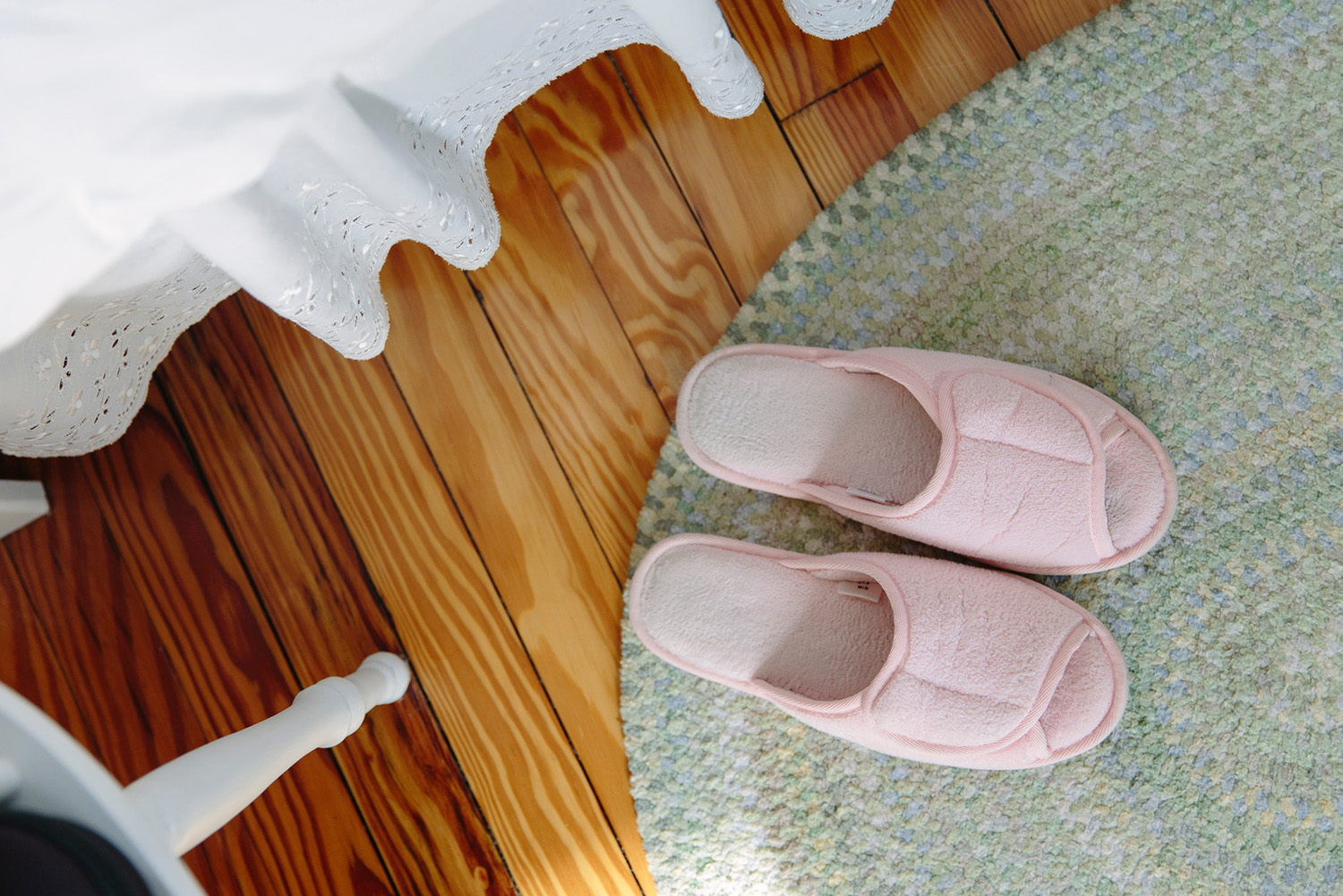
A new blood pressure medication causing a moment of dizziness when someone stands up. An outdated eyeglass prescription. Slippers with no backs. A grab bar that was never installed because asking for one felt like admitting defeat. Legs that lost strength over a long winter of not getting out much.
Any one of these, on its own, is manageable. Four of them stacked together in a dark hallway at 3 a.m. is how people end up in the emergency department.
And underneath all of it, there is often fear, which does its own quiet damage. When someone becomes afraid of falling, they actually move less. Moving less means weaker legs and worse balance, which makes another fall more likely.
Starting with the home
Here is a home safety checklist from the CDC. When I did in-home evaluations, I used something similar.
My advice is to go room by room and look beyond the usual suggestion to remove throw rugs. Check whether stairwell handrails run down both sides and whether they extend past the last step, because the last step is often where people misjudge. Check whether the armrests on the living room chair are long enough to push up from, whether the bed sits at a height that lets someone move from lying to sitting without a struggle, and whether the bathroom has real grab bars rather than towel bars, which can pull out of the wall the moment someone puts their full weight on them.
Those are occupational therapy questions. They are about how a body moves through a space, not just what is lying on the floor.
A few suggestions for using the checklist well:
- Go through it together, out loud. Handing it over can make it feel like an inspection. Walking through it together makes it a conversation.
- Do part of it after dark. Half the questions are about lighting, and you cannot honestly gauge that at two in the afternoon.
- Take one room at a time. The whole house in one sitting is overwhelming for everybody.
- Expect to find ten things and fix three. The nightlight, the shower mat, and the loose runner in the hall are a perfect start.
Looking beyond the checklist
The checklist cannot cover everything. Take the medicine cabinet, for example. Bring every bottle, including over-the-counter sleep aids and supplements, to a pharmacist and ask directly which ones may increase fall risk and whether any interact with the others. It costs nothing, and it is one of the highest-return steps a family can take.
Another area worth checking is vision. Schedule the eye exam, because vision changes so gradually that people often adapt without realizing how much has changed.
If you want to go further, ask your local Area Agency on Aging about evidence-based balance programs. A Matter of Balance, Stepping On, and Tai Ji Quan: Moving for Better Balance are widely available and often free or low cost. The Otago Exercise Program, a home-based series of strength and balance exercises, has also been shown to reduce falls among high-risk older adults.
Having the conversation
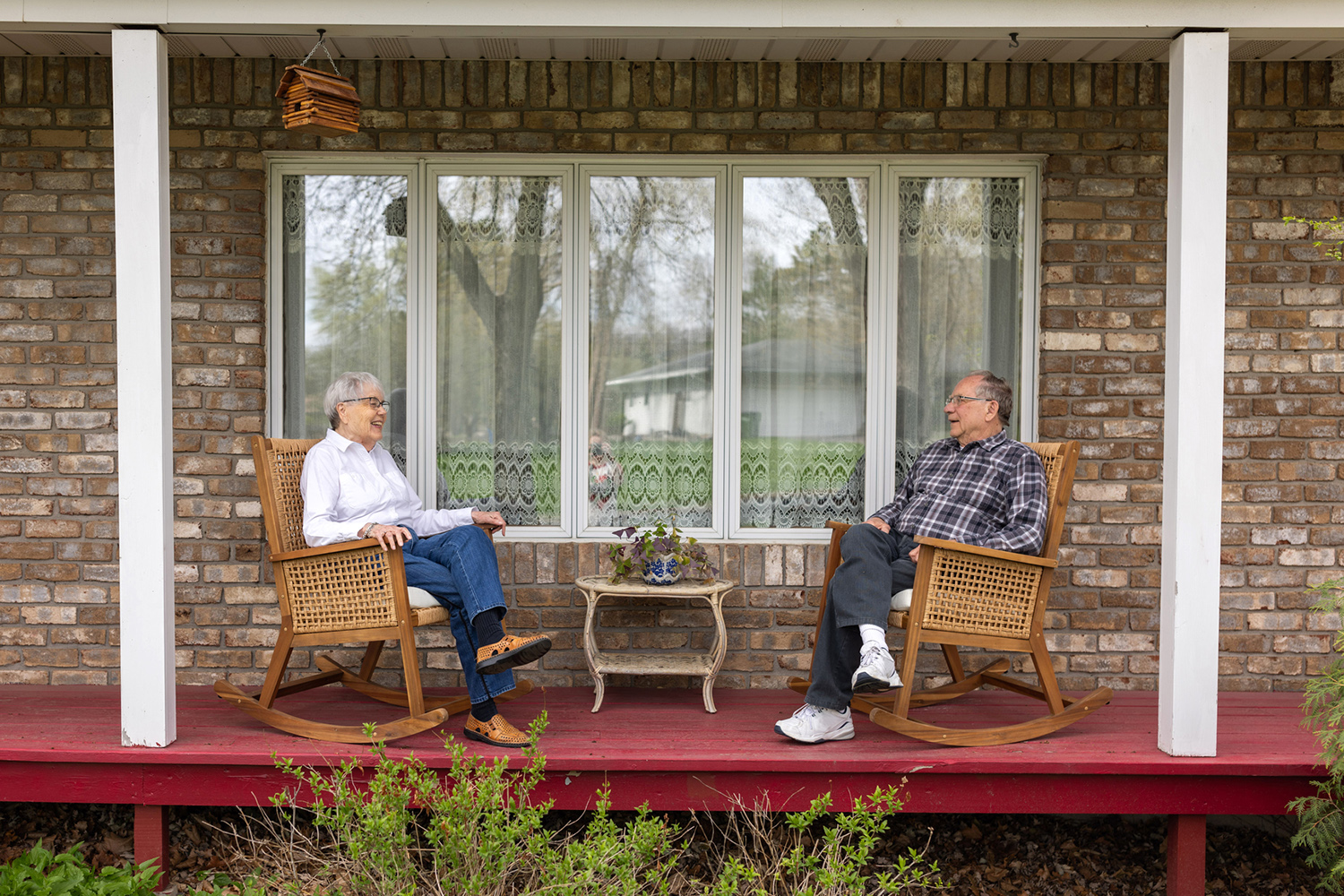
The practical steps are the easy part. The hard part is that these conversations can feel, to the person on the receiving end, like a conversation about losing independence.
So frame it the other way around, because that framing is also the true one. Grab bars and balance classes are not the beginning of decline. They are what can make it possible to keep living at home, keep gardening, keep driving to church, and keep doing the things that make life feel like your own.
If you get resistance, you are not failing. Try again in a week. Ask what they would want to happen if they did fall and could not get up. Let them lead where you can. And if needed, pick the one thing you are not willing to leave unaddressed.
----------------
Need some help getting started?
Wellthy’s Care Coordinators can help families put these steps into action, from finding local occupational therapists and home safety resources to researching balance programs, scheduling appointments, and helping identify services that make staying at home safer and more sustainable. Sometimes the hardest part is simply knowing where to start, and having someone take on the calls, research, and coordination can make that first step a whole lot easier.

Similar Articles

.png)